

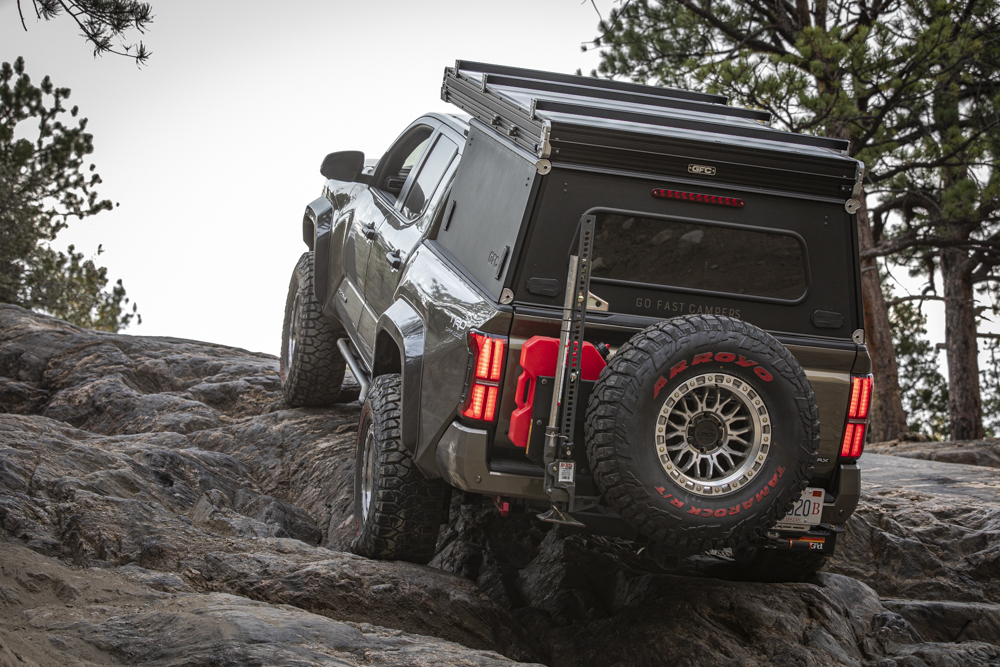
Rugged Terrain tires, aka RTs, have been around since the late 2000s. After about 15 years of production, they’ve proven themselves a worthy choice. Pretty much all tire brands now carry some type of RT tire.
Simply stated, RTs are a hybrid design. They’re right in between All Terrains (ATs) and Mud Terrains (MTs). The goal is to balance the off-road manners of an MT, with the daily driving comfort of an AT. They’re a killer fit for someone who is looking for better performance over an AT, but doesn’t want to commit to the aggressive nature of a MT.
After 15+ years, I’ve run and experienced just about every notable tire on the market. This post is meant to give you an overview on my experiences.
For reference, I’m running a set of Arroyo Tires Tamarock RTs.
Table Of Contents
What Are They?
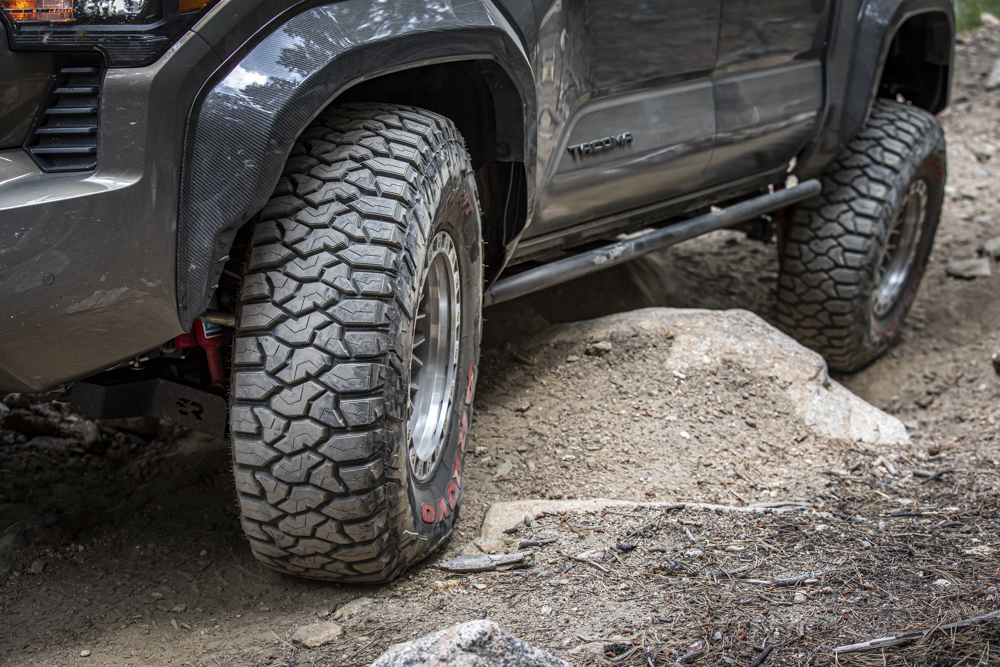
As I mentioned, these tires blend the best attributes of mud and all terrains. They were created for those who needed better off-road capability than a typical AT, but without the noise, weight, and on-road compromises of dedicated MTs.
The Goodyear Duratrac is largely credited as being the first RT tire. Due to its popularity, many manufacturers have developed their own versions.
Mixed Tread Pattern
- larger voids for better clearing of debris and better traction
- tighter tread blocks to keep noise and vibration down
- improved stone ejectors
- sipping for better wet handling
- moderately aggressive side blocks
The easiest way to look at these tires is to classify them literally right in between ATs and MTs.
Key Reasons RTs Are The Best Choice
Better Off-Roading Than ATs
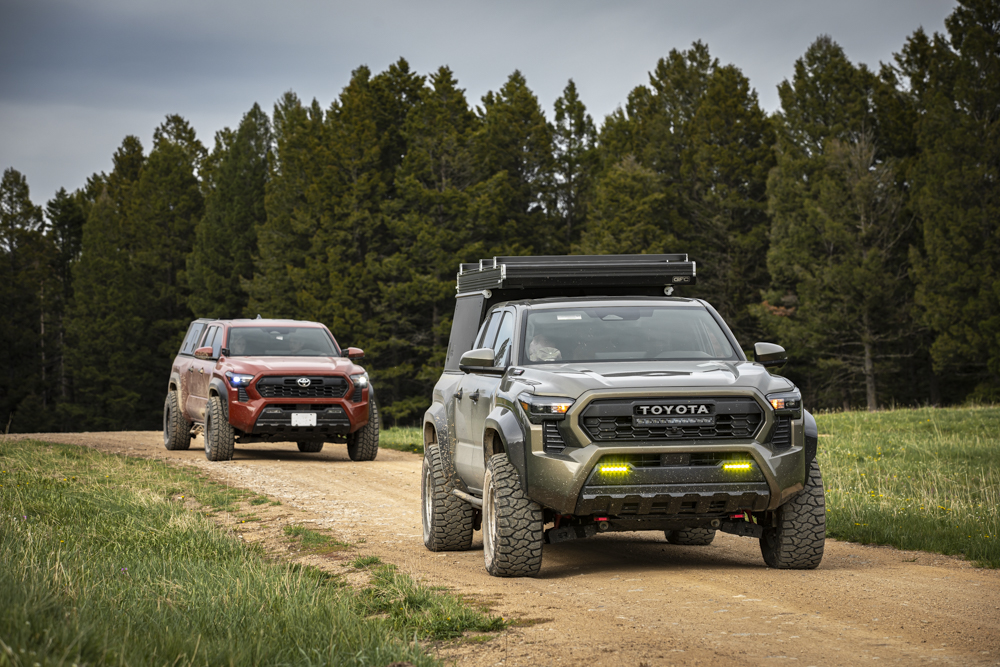
If your last set of ATs felt like it was starting to feel lacking off pavement and you’re ready for the next step, RTs are a solid upgrade. They provide better traction in rocks, loose dirt, large ruts, and muddy conditions.
ATs are still primarily an on-road tire. Sure, they have good performance all the way around, but in comparison to RTs and MTs they don’t excel while off-road. The more aggressive tread pattern in an RT is a natural progression.
Better Daily Manners Than MTs
Of course, most of us still spend the majority of our time on pavement. So road manners are always going to be a factor. If you don’t want a loud tire that usually gets more relatively worse as they age, RTs balance the excessive noise. RTs, when compared side by side to MTs are not as heavy. So you save on rolling resistance and unsprung mass for better handling, MPG, etc.
MTs are (by class) not great in the rain. That’s a general statement. There are better and worse options. But RTs don’t fall as subject to the poor wet pavement manners. They’re not going to beat/match ATs, but they’re not far off.
When RTs Are NOT The Right Choice
Is your driving going to consist of 99% pavement? ATs are mostly quieter and cheaper. RTs might not make sense.
Are you looking for deep mud and gnarly rocks every weekend? MTs can’t be beat here. RTs might not be aggressive enough.
If you’re on a budget, RTs are often more expensive. ATs might suit you better.
Real World Examples
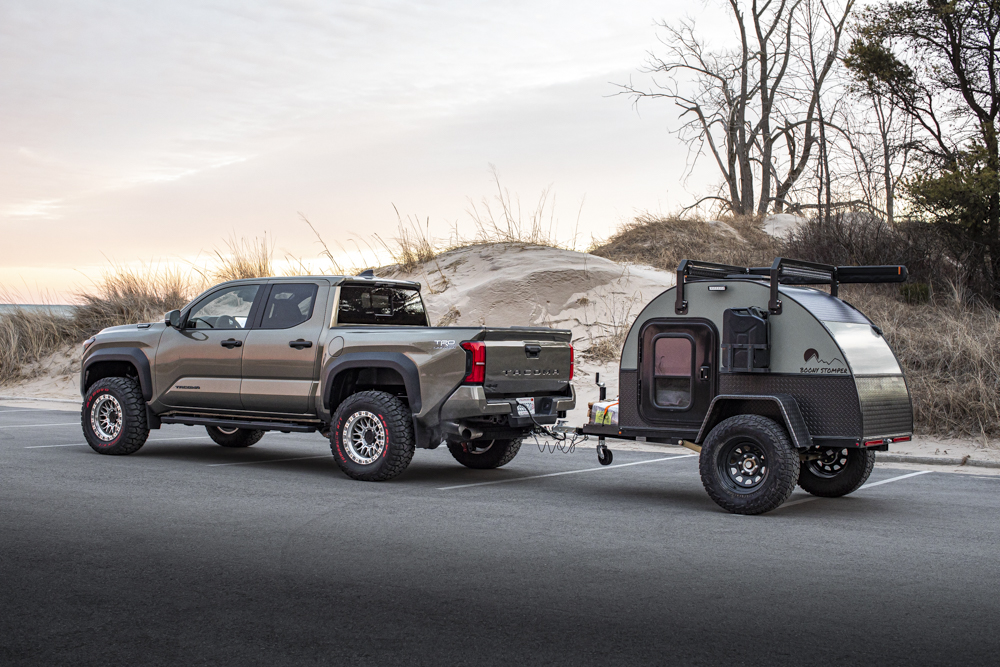
So who, more exactly, are these tires for?
For one, maybe you just like the look. I get it. Aggressive tread patterns make a truck look good.
But the “perfect” use case for someone would probably be…
- those who wheel somewhat consistently in season
- dedicated overland rigs
- people who live in rocker areas (like Colorado)
- daily drivers who want something aggressive, but not terribly loud
- not ready for the impact (cost, weight, etc.)
MPG, Noise & Ride Quality
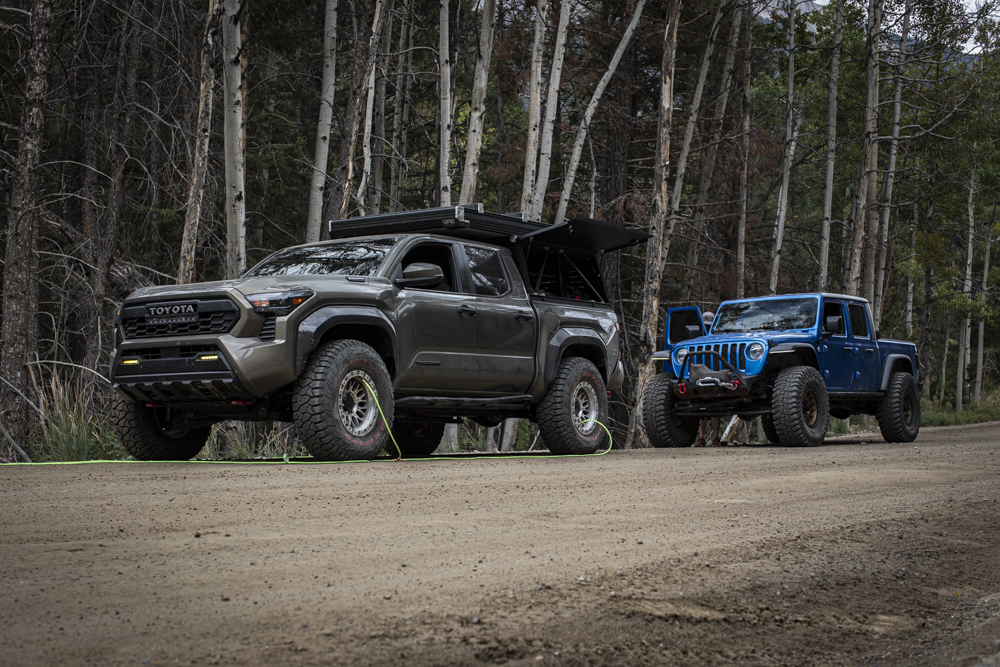
So what can you expect after installing a set?
- small reduction in MPG compared to AT, less than MT
- louder than ATs, quieter than MTs
- ride will depend on load rating (C to F)
What I’m Running
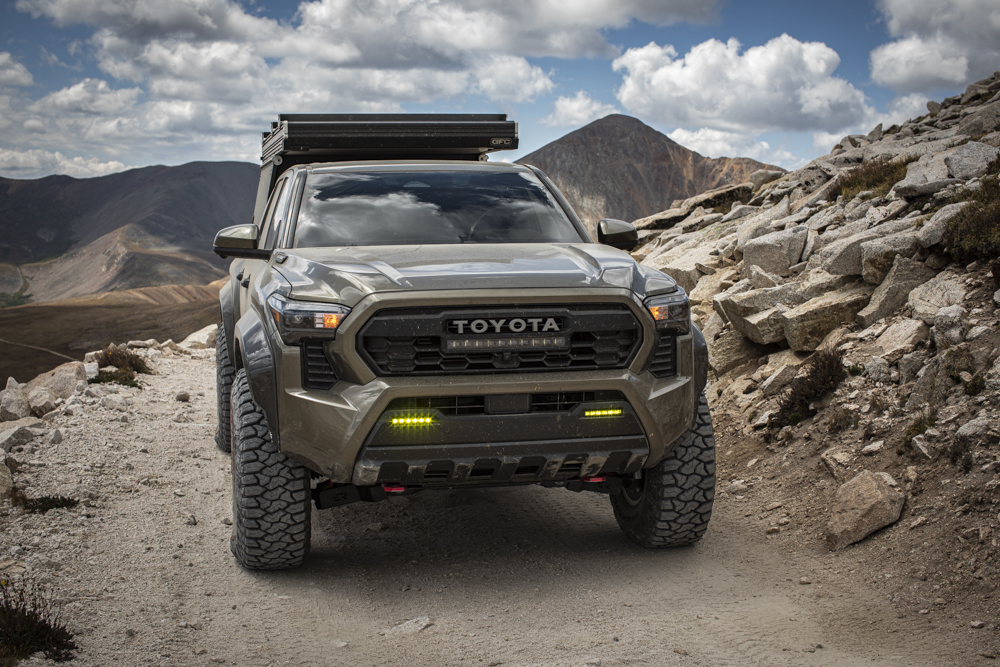
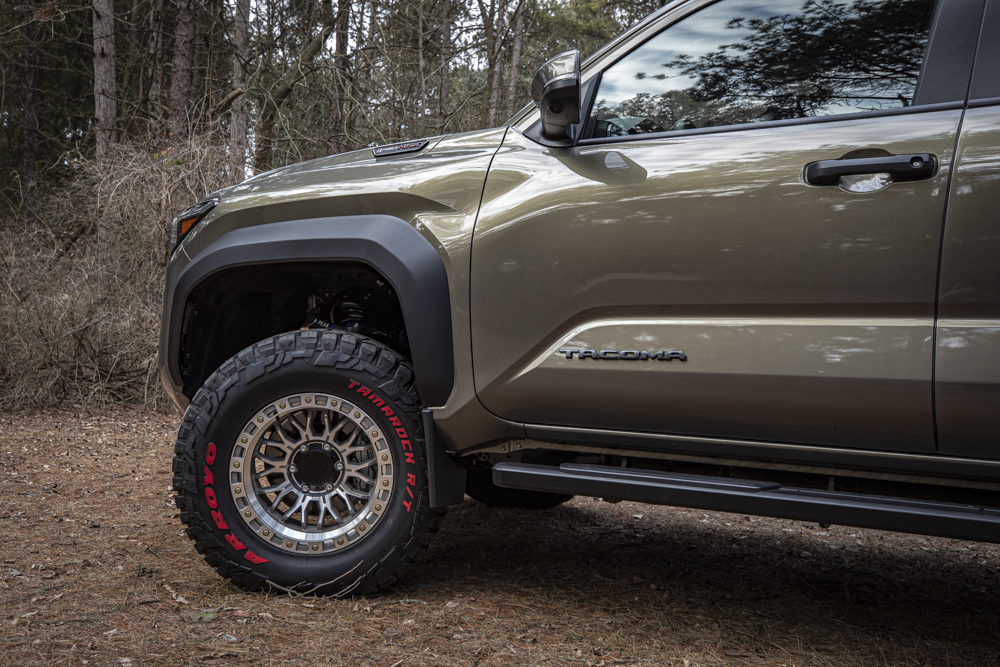
My Tacoma has 37×12.5×17 Tamarock RTs. I’ve had the chance to run them in two different sizes.
Find Them Online
- Arroyo Tamarock RT: Check Price
Check out my YouTube video – Fitting 37s on 4th Gen Tacoma. It’s a super complete overview of what I did to make these work, on and off-road (most importantly).
I still daily my truck, and I’m building it to it’s full potential. I wanted to test more RT tires to see how they would do. The Arroyos have had good tread wear, and kept up with my buddy’s on MTs. If I had them on beadlocks, I think I could push it a little harder.
While my truck will likely end up on MTs in the future, once it’s more of a dedicated trail rig, I have really enjoyed the RTs. They look great and have done everything I could ask. The bigger issue on the 4G Tacoma, is the ground clearance. It just drags on the belly more than previous gens.
Considering the amount of miles I drive when we road trip to different states, the RTs have treated me well.
Final Thoughts
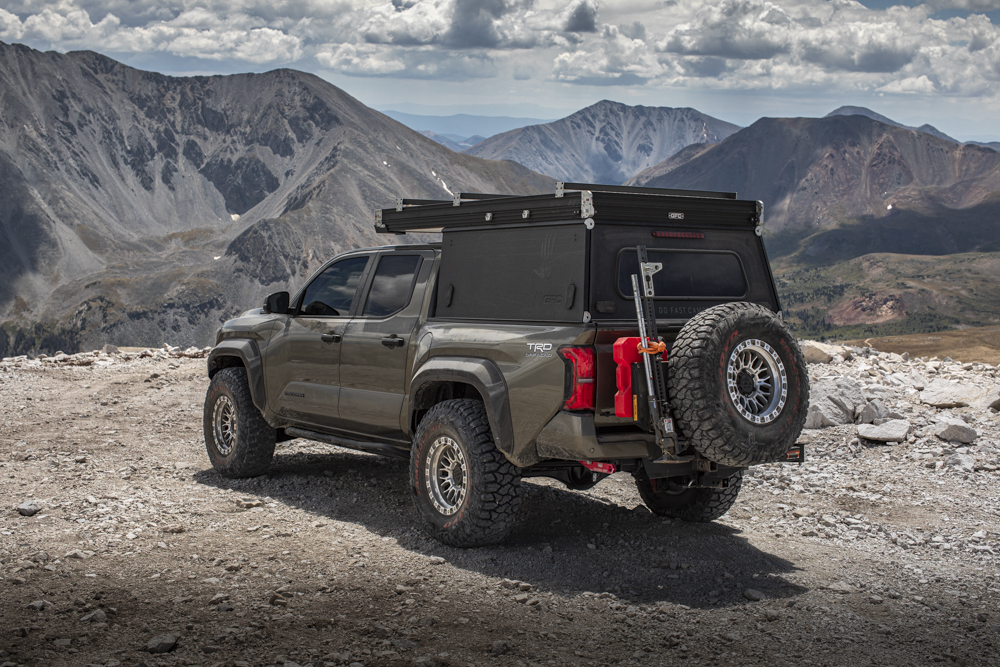
RTs have become popular for a reason. They work! It’s a truly hybrid between the two alternative tread patterns. It literally falls right in the middle.
Balance is often a good thing to practice. And that’s where RTs excel. They’re balanced for the right user. Someone who is looking to take the next step without going full send into MTs. If you split your time between pavement and challenging terrains, they’re a great fit.
All that said… No tire is entirely perfect. And it’s usually relative to how the truck is going to be used. Perfect can mean a lot of different things to different people.
I’m going to stick to my opinion here, and still say that if you’re going to invest into the hobby, RTs are a great tire to buy.
