

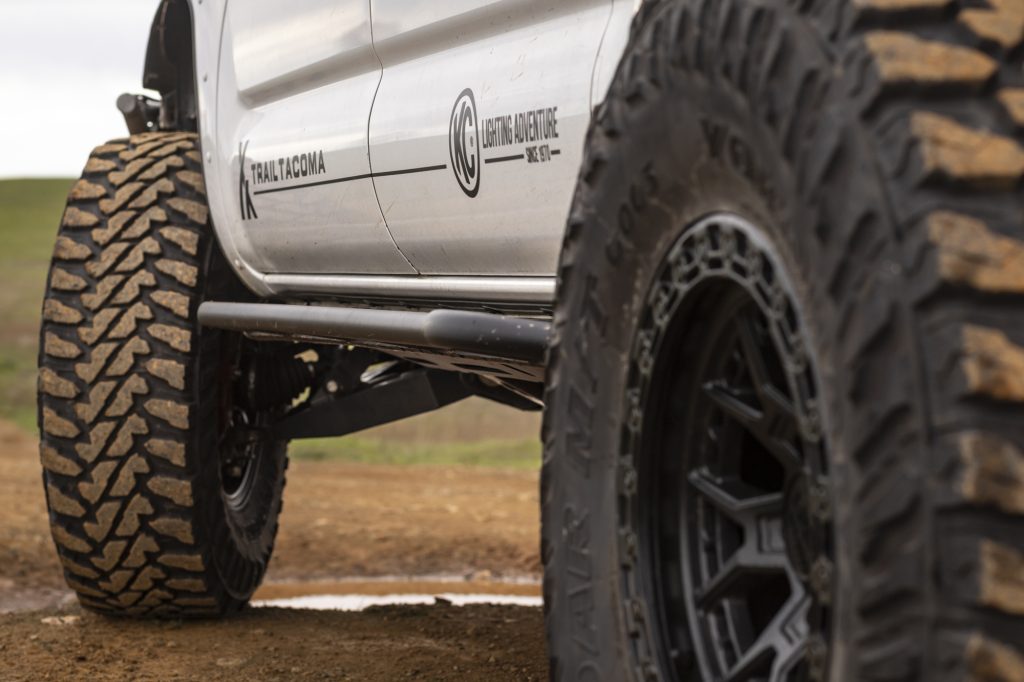
This post is more of an overview rather than a direct testing review… and for that, we’re not leaving a Trail Rating. Let’s jump in.
Rock sliders for the 2nd Gen and 3rd Gen usually follow a familiar formula. A tube-bent structure mounts to the frame rail using as much hardware as possible and sits slightly away from the body. It’s been tried and true for decades now.
That design works, but it can also leave gaps near the rocker and can get hung up on logs/rocks due to the nature of the tube supports.
JD Fabrication approached the problem with a new solution.
Instead of building a tube-bent structure alone, they created a plate-style slider that bolts along the frame rail and ties into the rocker panel area using the factory running board mounting points. The result is one of the most tucked designs available for the Tacoma platform and one of the first “skid plate slider” concepts offered for the 2005 to 2023 trucks.
Once you look closer at how the Tacoma cab and pinch seam are constructed, the concept starts to make more sense.
The slider becomes more than just a tube hanging off the frame rails. It acts as a distributed load surface that spreads impact across the frame and the cab structure while maintaining a very clean profile under the truck.
Find It Online
- JD Fabrication Rock Sliders: Check Price
Table Of Contents
Flat Plate Slider Design
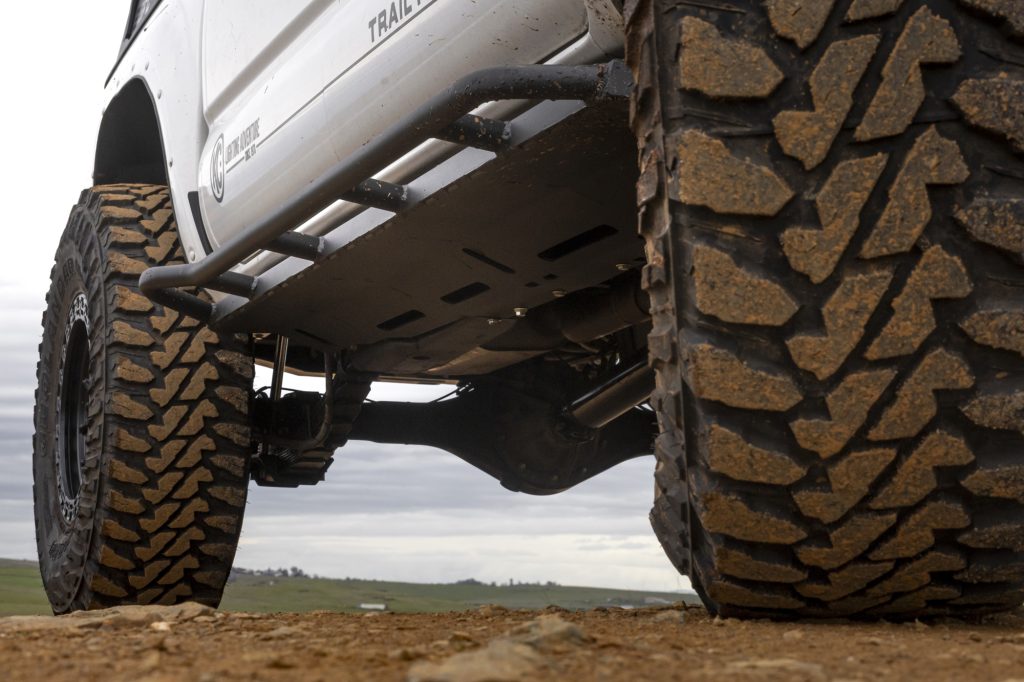
The biggest difference between the JD Fabrication sliders and most Tacoma options on the market is the use of a skid plate style design instead of exposed tube gussets alone.
The goal is simple. When a truck lands on rocks, the armor should slide across the obstacle rather than hook onto it.
Traditional tube sliders create gaps between tubes where logs/rocks can wedge themselves in. The continuous plate surface removes those gaps and creates a smoother belly surface. When the truck drags across rocks, the plate can glide across the obstacle instead of snagging.
This simple philosophy comes from JD Fabrication’s background in building rock crawlers and tube-chassis vehicles, where flat-belly designs allow rigs to slide over terrain instead of hanging up.
Extremely Tucked Fit
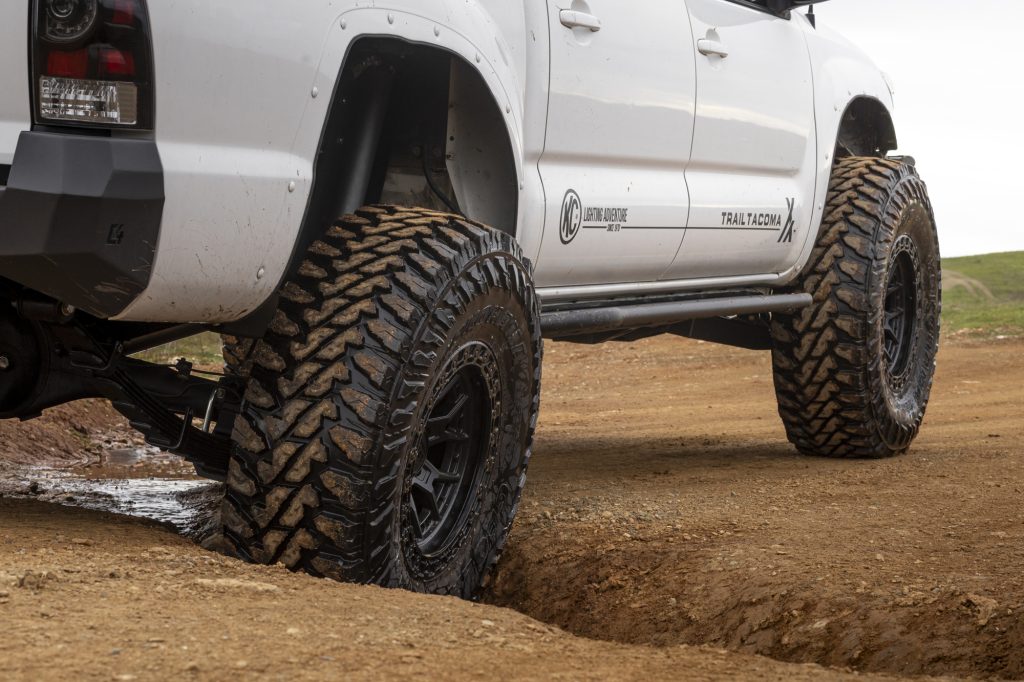
Another major advantage of the rocker panel mount is how tight the sliders can sit against the body.
That tighter packaging has the potential to improve ground clearance overall; however, we have not tested any big hits on these to determine how the pinch weld will hold up and/or how they will handle deflection.
A lower-hanging slider might protect the body, but it can also become the first thing that hits the ground/rocks. The JD Fabrication design keeps everything as high and tight as possible.
Frame Rail & Rocker Panels?
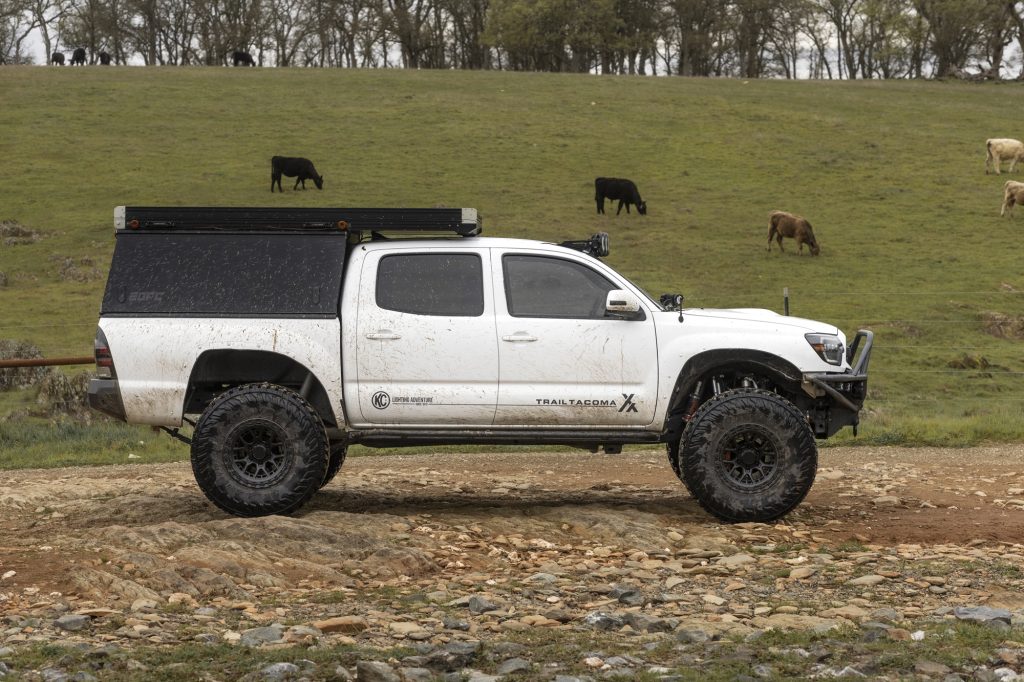
My Tacoma, pictured here, is not really a Rubicon build, yet more of a weekend rock lander. These sliders are aluminum, and I don’t plan on slamming these on rocks consistently.
If this rig was designed for more hardcore rock crawling, places like Rubicon or Fordyce, then I would absolutely go with steel. And at that, I would be very curious to see how these would hold up under extreme hits coming off rocks and ledges.
I decided to go with these sliders on the Tacoma because it sees milder trails, and I was looking to keep the weight down while having a very tucked appearance.
The mounting approach is what sets these apart from most designs on the Tacoma platform.
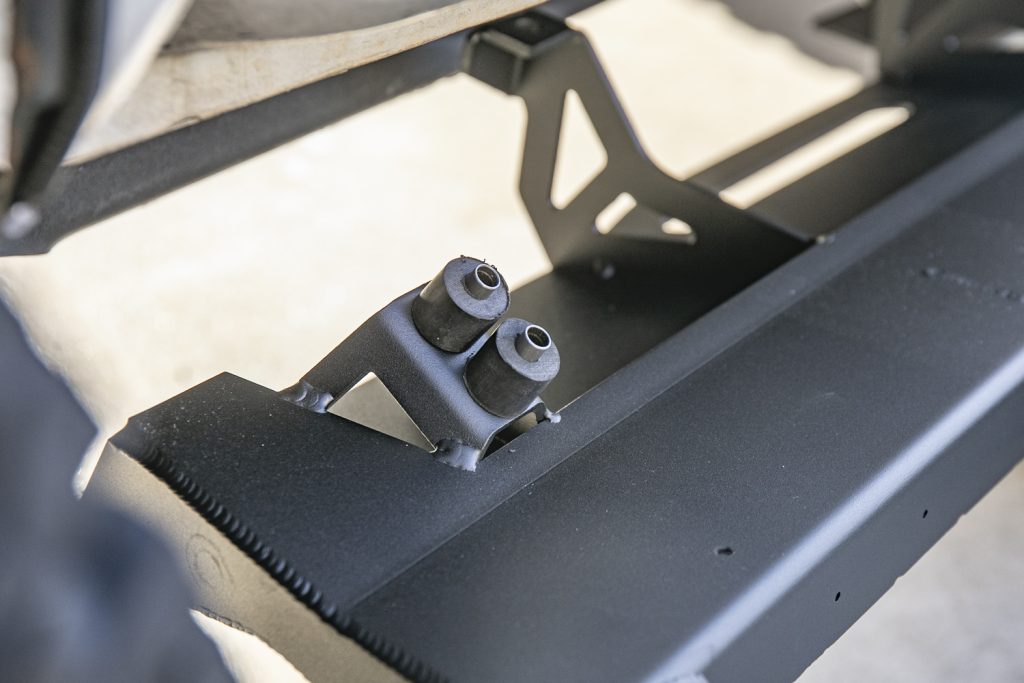
Instead of relying only on frame-mounted plates alone, these sliders bolt along the frame rail and also attach to the three factory running board mounting points (rocker panel mounting hardware pictured above) in the cab located at the A, B, and C pillars.
The idea behind this approach is to prevent the slider from acting like a long lever arm off the side of the frame. Tacoma frames are known for flex, particularly in the C pillars. When a slider is cantilevered away from the frame, hard impacts can amplify that leverage.
By tying these into both the frame and the cab structure with rubber bushings, impacts can be distributed across the length of the vehicle rather than concentrated in a few mounting legs.
Installation Overview
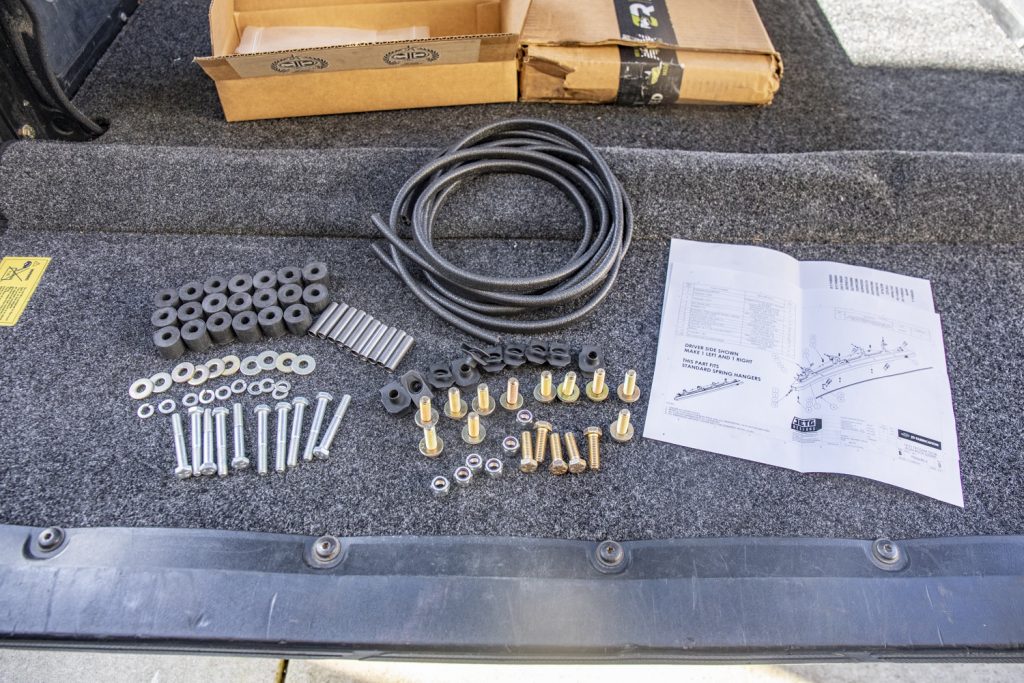
The sliders are quite a process to install, as you can imagine. You have two mounting points on each pillar (A,B,C), in addition to the bottom and side frame rail mounting points. Lining everything up correctly on the frame and the rocker panel mounting points was… a PITA. Not impossible, but a process…. especially solo.
Once you have the rocker panel mounting points lightly threaded, you can line up the frame-mounted points and then suck everything down.
You should absolutely have a friend with you when you do this. I installed these by myself, and it took me nearly a full day…. compare that to a traditional 3-hour rock slider job.
The kit does come with weldable tabs for the frame, for a couple of mounts. I didn’t use them, and I will not be uninstalling these just to add them down the road. I have more than enough hardware underneath the frame rail, along the frame rail, and at the rockers that these sliders are beyond stout as is.
Tacoma Rocker Panel Strength
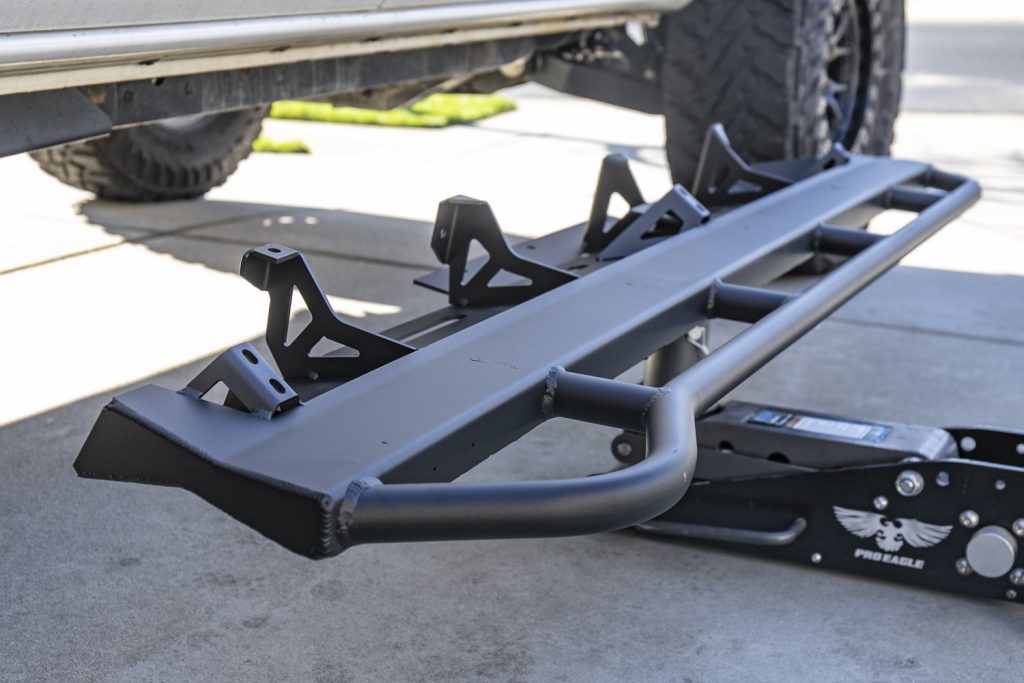
One reason JD Fabrication felt comfortable using the rocker panel mounting points is the construction of the Tacoma cab itself.
The rocker area beneath the cab is built from multiple layers of steel and incorporates a honeycomb structure that ties into the pinch seam.
The pinch seam area alone is strong enough that a Tacoma can be lifted using that seam. By positioning the slider against that area with rubber isolation, the system allows the armor to react against the body structure when the truck lands on rocks.
Instead of the frame taking the entire load, the impact forces are spread across the frame and cab structure along the entire length of the slider.
Skid Plate Style Slider Distributes Impact
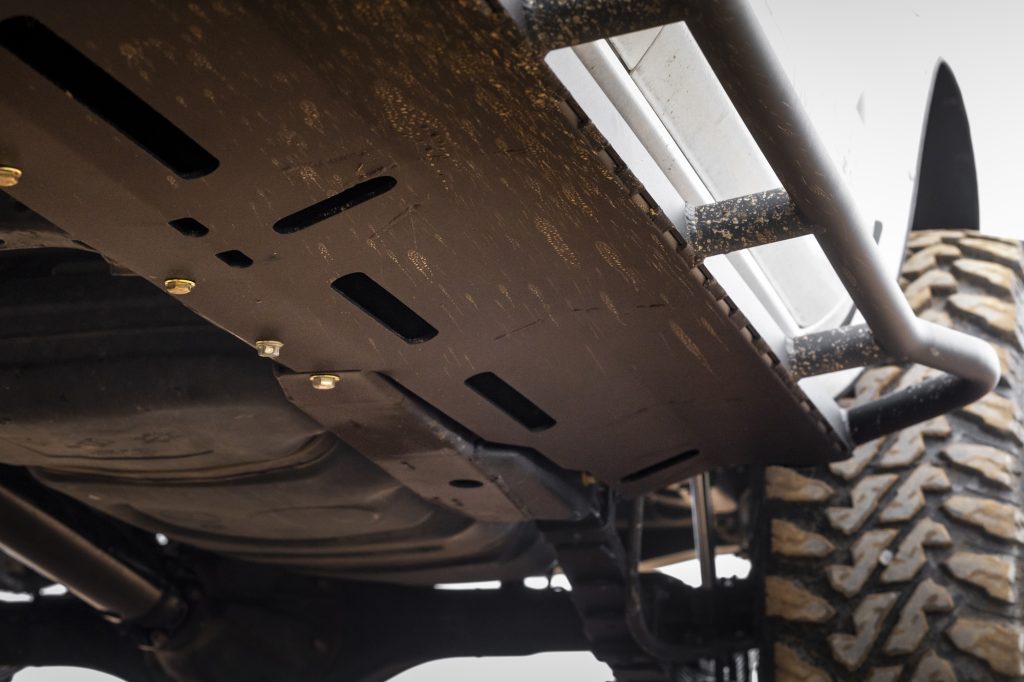
Another benefit of the plate-style design is how it distributes force.
Instead of a few contact points like typical frame-mounted sliders, the JD Fabrication version spreads the load along the entire pinch seam and frame mounting length.
When the truck lands on a rock, the load is distributed across the full plate structure. That reduces localized stress and minimizes twisting or flexing that can occur with smaller mounting structures.
This also helps reduce the chance of the frame rails being pulled inward or distorted during repeated heavy impacts.
Steel or Aluminum
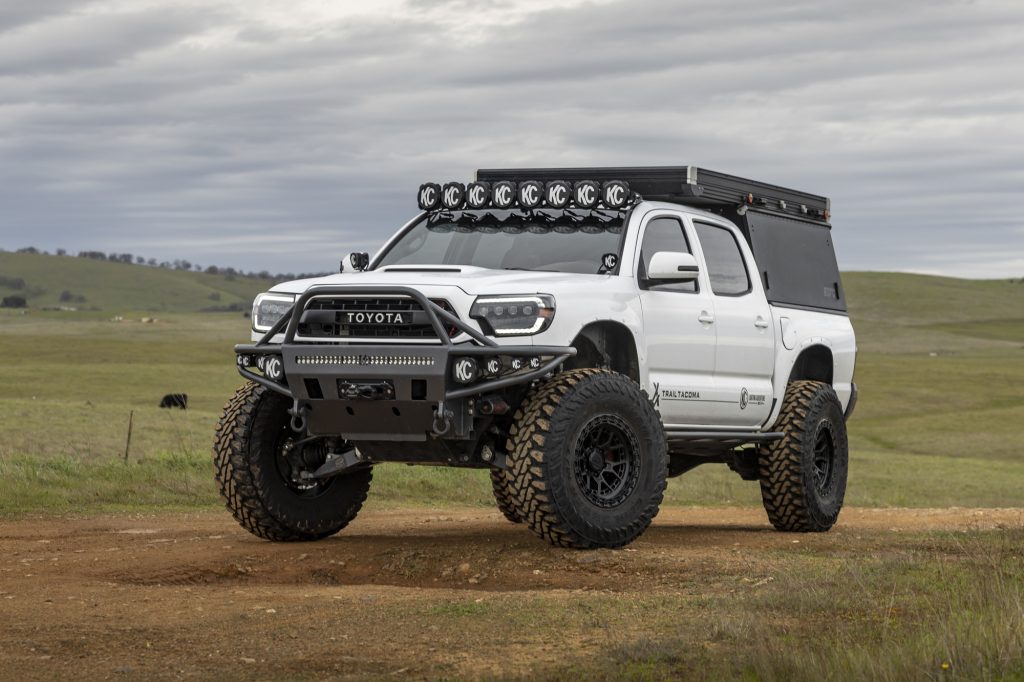
For guys who regularly wheel technical terrain, JD Fab offers the sliders in a steel 0.120 inch plate and 0.120 inch rectangular tubing.
The tubing is capped on both ends, and fixture welded to ensure a consistent fit.
Steel is going to be great for trucks that see regular contact with rocks, and aluminum is designed for the guys who still need protection but want to keep the weight down.
The aluminum version is built from 0.188 inch 5052.
Aluminum is a great option for overland focused builds or trucks that spend significant time on road but still need strong protection for occasional off road trips.
Optional Tube Kick Outs
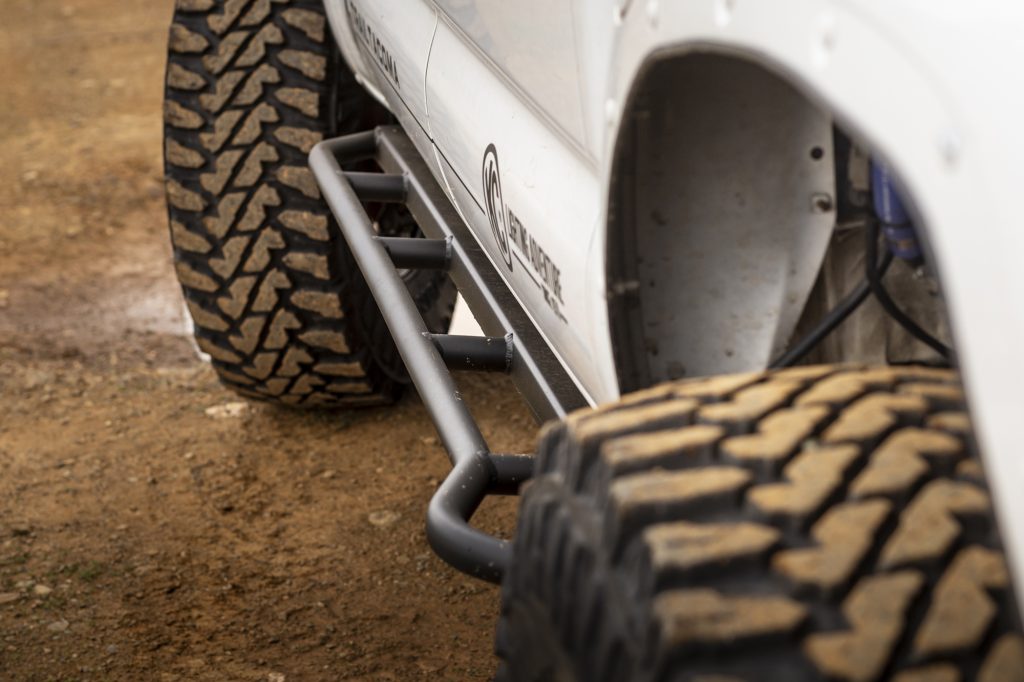
For additional protection, the sliders can be ordered with optional tube kickouts. These extend roughly four inches outward and sit at about a ten-degree upward angle when measured from the frame.
Guys who prefer a more minimalist setup can choose the standard flat profile, while those looking for extra protection can opt for the kick out version.
Isolation Between Slider & Cab
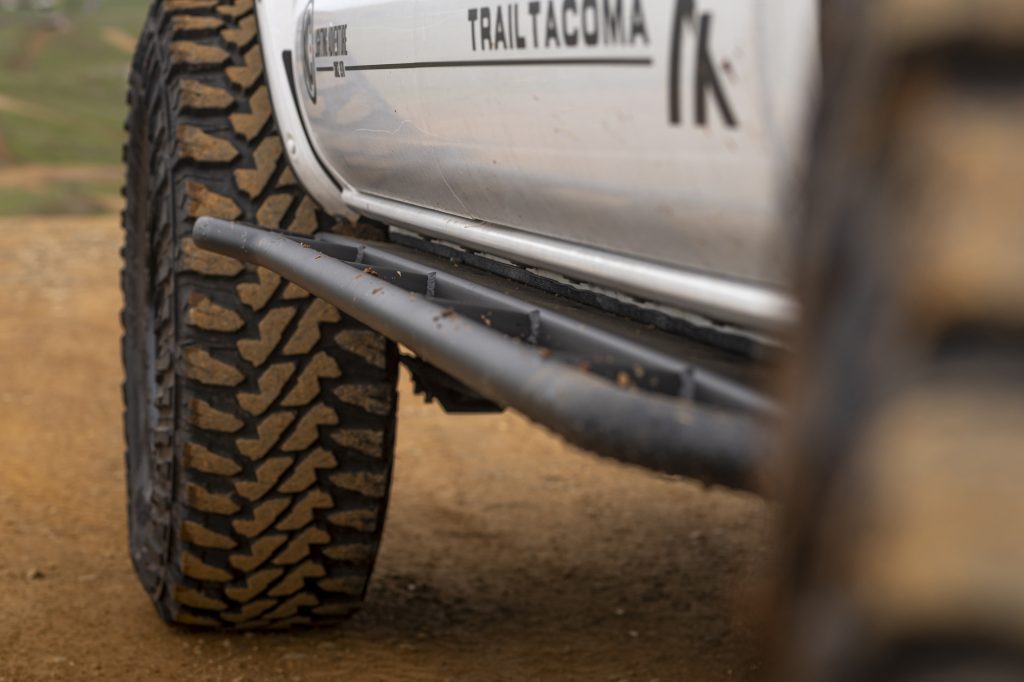
Because the slider sits very close to the body, JD Fabrication includes a rubber U-channel molding for the pinch seam contact point. This molding allows the slider to rest against the seam while preventing direct metal contact.
Rubber bushings are also used where the slider bolts to the cab mounting points. These bushings isolate vibration and allow the structure to interact with the cab without transmitting harsh impacts or noise into the body.
The combination of these isolation components allows them to work with the cab structure without creating unwanted vibration or rubbing.
Structural Support For The Cab
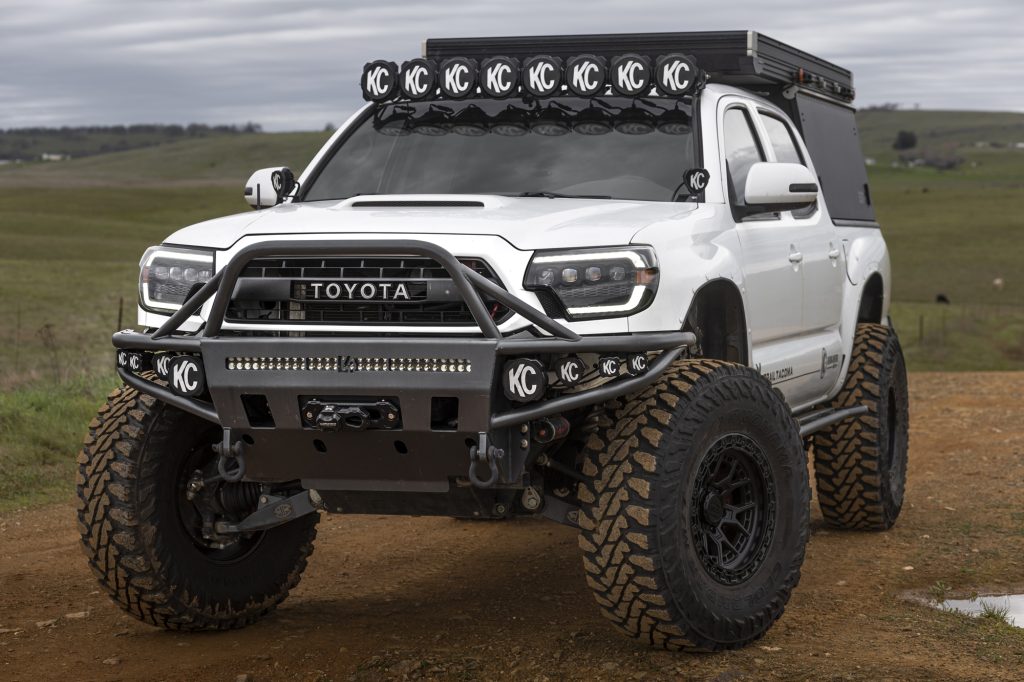
JD Fab quotes that the sliders can act as additional support for the cab mounting system. Because the slider spans the length of the rocker area and ties into both the frame and cab mounts, it helps distribute forces that would normally pass through the factory body mounts.
This added support can help reduce stress on the factory mounts, especially on trucks that spend time on rough terrain.
Compatible JD Fab Frame Brace
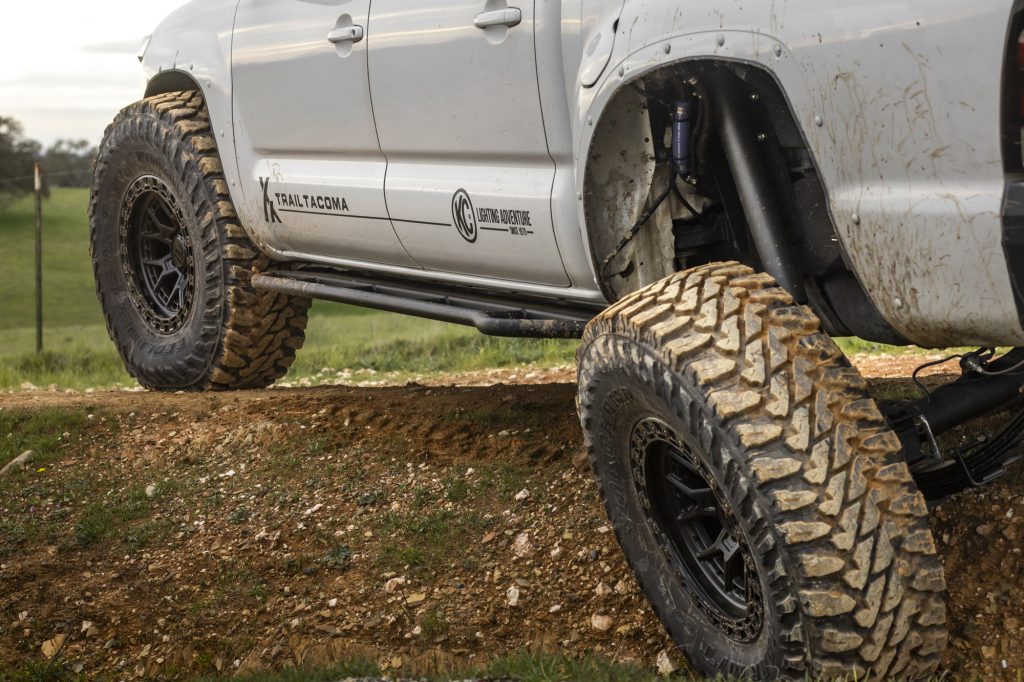
JD Fabrication also offers a frame brace kit for the Tacoma platform, and these sliders can be ordered in versions designed to work with that system.
This is an important detail for owners who already have the brace installed or plan to add it later.
Choosing the correct slider configuration ensures proper fitment and avoids interference between the brace kit and the slider mounting system.
Raw Finish Ready for Custom Coating
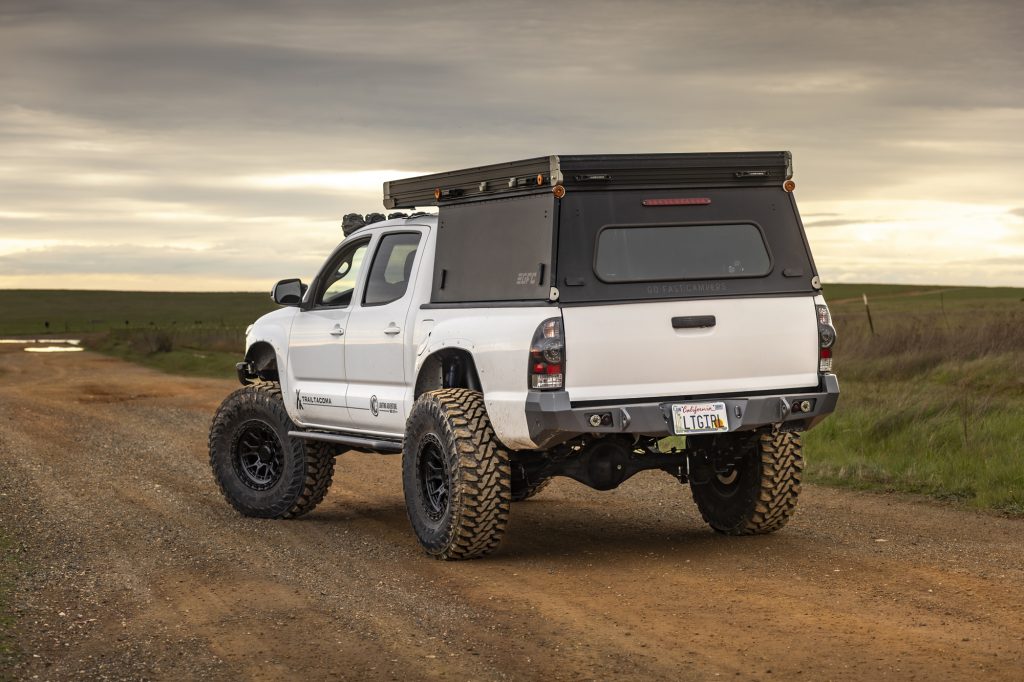
Both the steel and aluminum options ship in a raw finish.
This gives owners the flexibility to coat them however they prefer. Many people choose powder coat, while others paint them to match existing colorway and design specs.
Since rock sliders are expected to take abuse, a finish that is easy to touch up over time is often the most practical choice.
Cab Fitment
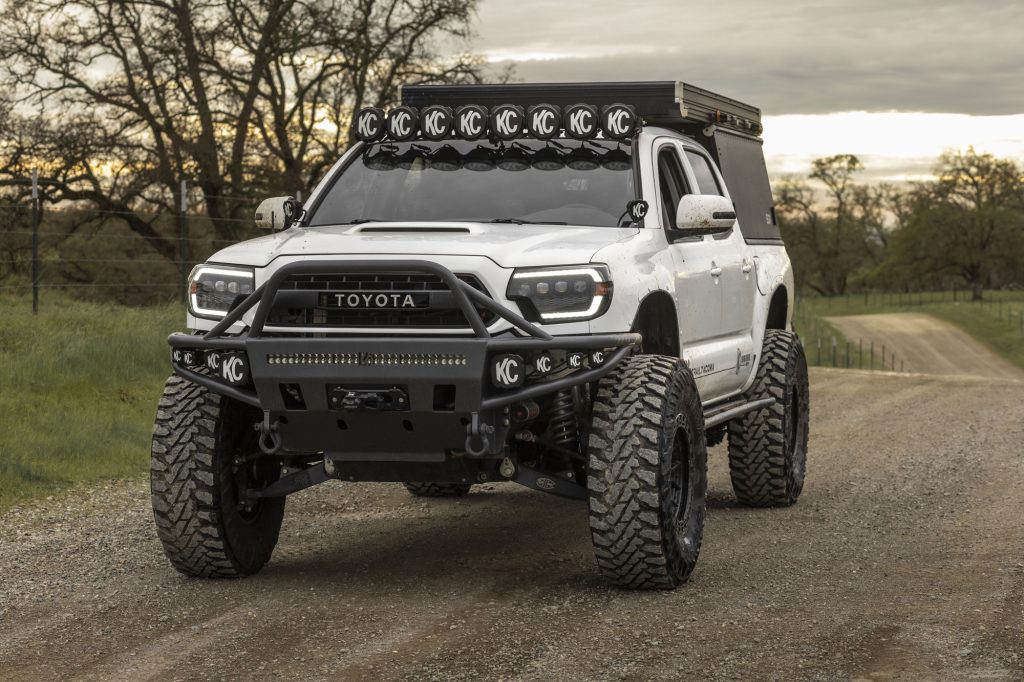
JD Fabrication designed these sliders to fit several Tacoma configurations. They are compatible with Double Cab Short Bed, Access Cab models, and they also work with Double Cab Long Bed trucks.
This makes them a versatile option for Tacoma owners across multiple model years and body configurations.
Final Thoughts
Is mounting to the rocker panel the new go-to?
These sliders aren’t going to be for everyone, and it might take a while before the design catches on. It will demand a steel mounted set, and extreme testing before the community can get behind a “rock slider” that mounts to the body. With that said, they are extremely stout once mounted, and even with a set of aluminum sliders mounted, I wouldn’t hesitate dropping these on some boulders and giving the aluminum a run for it’s money (pun intended).
JD Fab always goes against the grain and does something different in everything they do. You have to give them that. Is this just another gimmicky rock slider design, or is this going to shape and mold the future of rock slider designs as we know them? Outside of mounting to the rocker panels, and at a minimum, I think more companies need to get behind the design.
The skid plate integration is impressive!
This slider style / plate-style system will spread the load across the frame and prevent big hits on the actual frame rails. Where traditional rock sliders leave the frame rails wide open for big hits, destroying bolt heads (unless you’re running bolt saver washers), this new design will protect both the frame rail and majority of bolt heads.
This slider prioritizes actual rock sliding, ground clearance, and structural load distribution.
While the rocker panel mounting concept will 100% spark debate, the design is based on the strength of the Tacoma cab structure and the goal of minimizing leverage against the frame.
For owners who want a very clean, high clearance slider with a smooth sliding surface and thoughtful structural design, the JD Fabrication sliders represent one of the more unique armor options available for the 2005 to 2023 Tacoma platform.
I am very curious to hear your thoughts on the design guys, leave them below.

Great writeup. Looking forward to long term use review!