As someone who enjoys getting off the beaten path with my Tacoma, I’ve always understood that the thrill of off-roading comes with risk. The trail can be unforgiving with jagged rocks, deep ruts, large stumps, and sudden drop-offs that don’t just challenge your driving skill; they threaten the vulnerable underbelly of your truck.
It doesn’t take long for most trail-driven Tacoma owners to realize that the factory skid plates are little more than decorative. That realization came early for me, and after some research and comparison shopping, I decided it was time for a full set. That’s where CBI comes in.
Use code – TRAILCO – to save an extra 5% off your order! Typically stacks with any sale going on.
Table Of Contents
Company & Product Overview
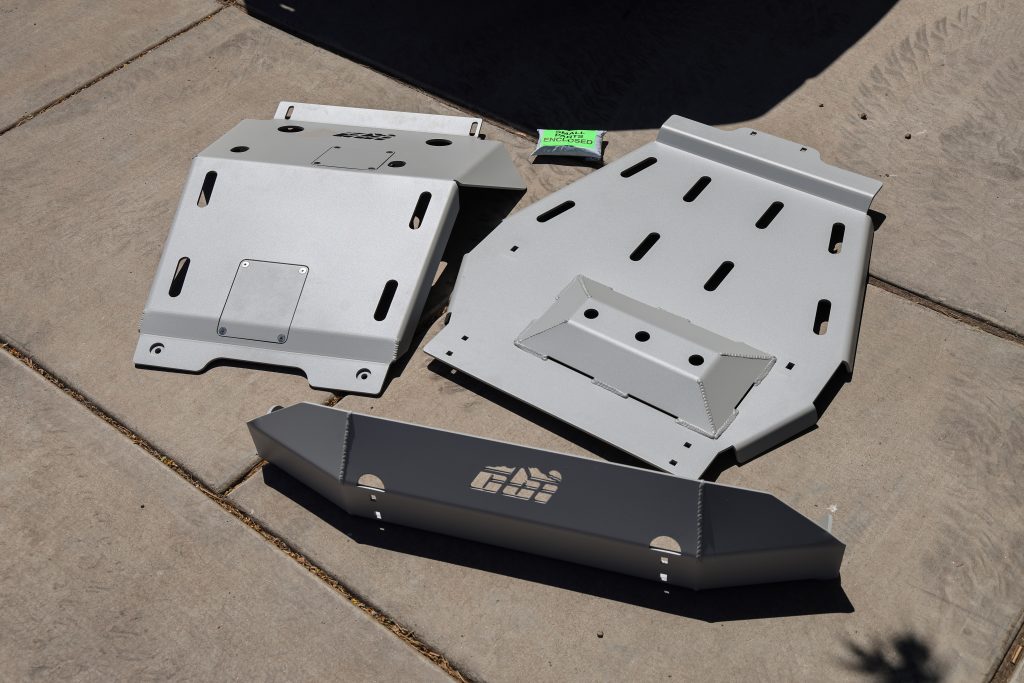
CBI has built a reputation in the off-road community for making rugged, purpose-built armor for Toyota trucks (in the USA), and their skid plate system caught my attention for several reasons. First, they offer complete protection from the front crossmember to the transfer case, with the option to add a separate fuel tank skid.
Their kits are available in both aluminum and steel. While the steel variant would be better suited for harder off-road hits, I opted for the aluminum version to prioritize weight efficiency while still offering better protection than the factory skid plates. To me, it was a small price to pay for long-term peace of mind on the trail.
Available Options
- Material: steel or aluminum
- Color: black, TRD grey, or raw metal
- Exhaust: Stock exhaust, or re-routed exhaust mod
For my skid plates, as you already know from above, I went with the aluminum plates in TRD grey. I also opted for the stock exhaust skid plate option. The re-routed option is cool if you want to avoid the bump in middle of your rear plate to get better breakover clearance. But you will have to take your truck to a shop to get them to alter your exhaust.
I installed these on my 3rd Gen, but these also work for the 2nd Gen. Fits all 2005-2023 Tacomas.
Installation Experience
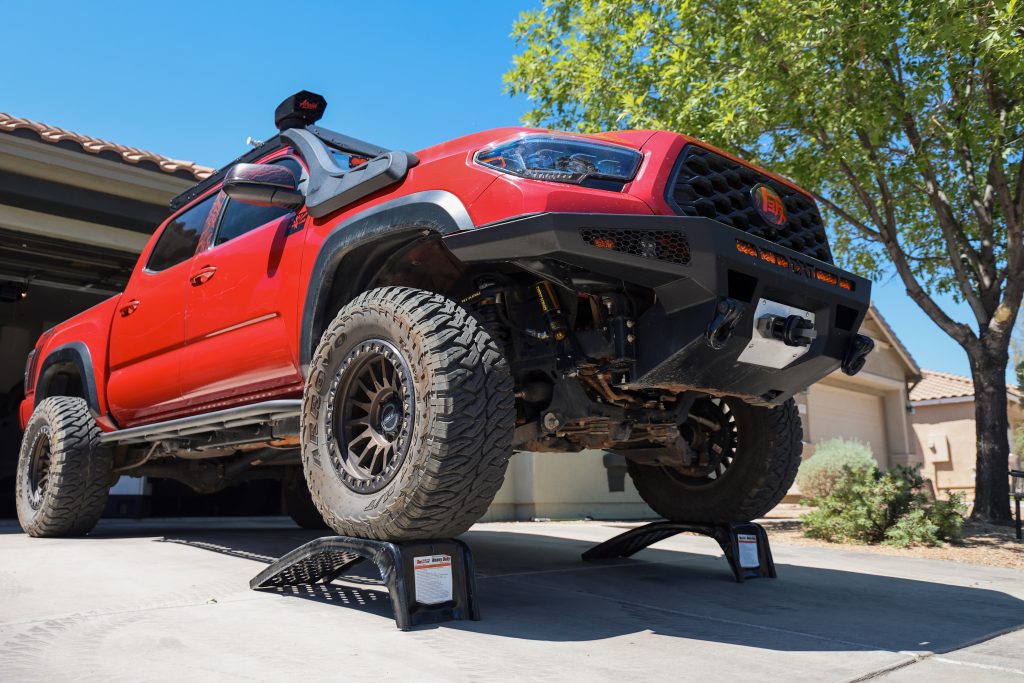
Installing the skid plates was a hands-on affair, and although I consider myself fairly handy with tools, I’ll admit it required a good chunk of my Saturday afternoon.
The plates are designed to bolt directly to factory mounting points, which makes things much easier. There was no need for drilling or trimming; only one small modification was required to bend a small bracket to fit the rear skid plate brace. The install took me about three hours from start to finish, working on an almost level driveway with basic hand tools, a torque wrench, and a set of truck ramps. I was taking some photos, etc., so factor that in.
If you are installing the steel plates, it’s highly recommended to have a second set of hands to help get the plates up onto the truck. For the aluminum, I was able to get them on by myself because of its lighter weight, but a second set of hands never hurts.
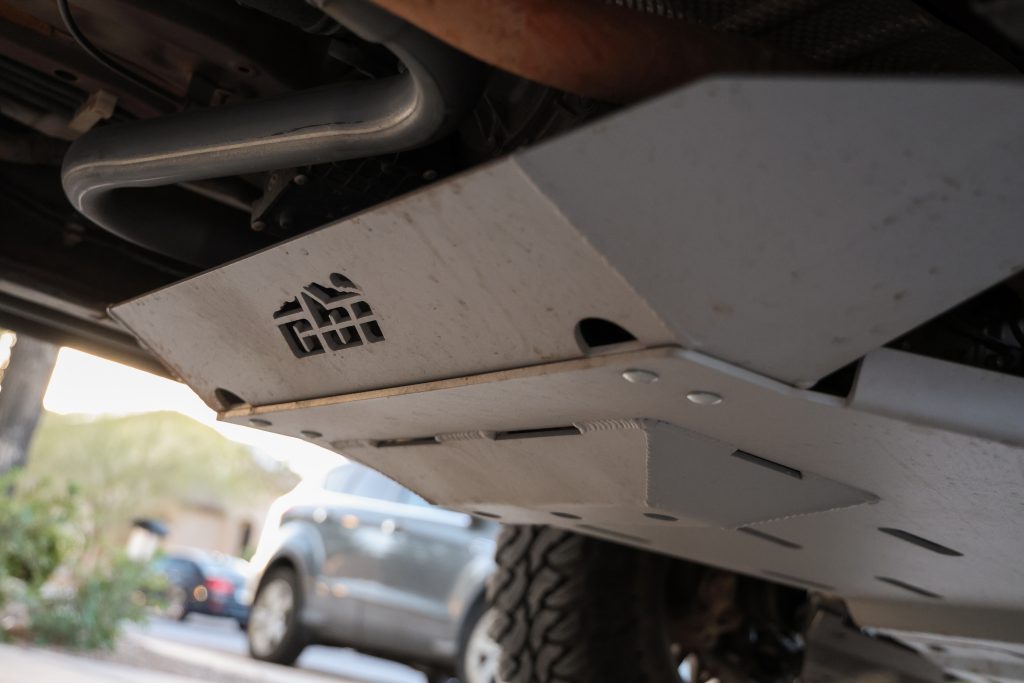
What impressed me during the install was how well everything lined up. CBI clearly put thought into the design; each plate fit snugly against the frame rails and crossmembers, creating a clean, low-profile look that maximizes clearance. All the hardware was included and clearly labeled, and the powder-coated finish on the plates gave them a solid, professional look straight out of the box.
Build Quality
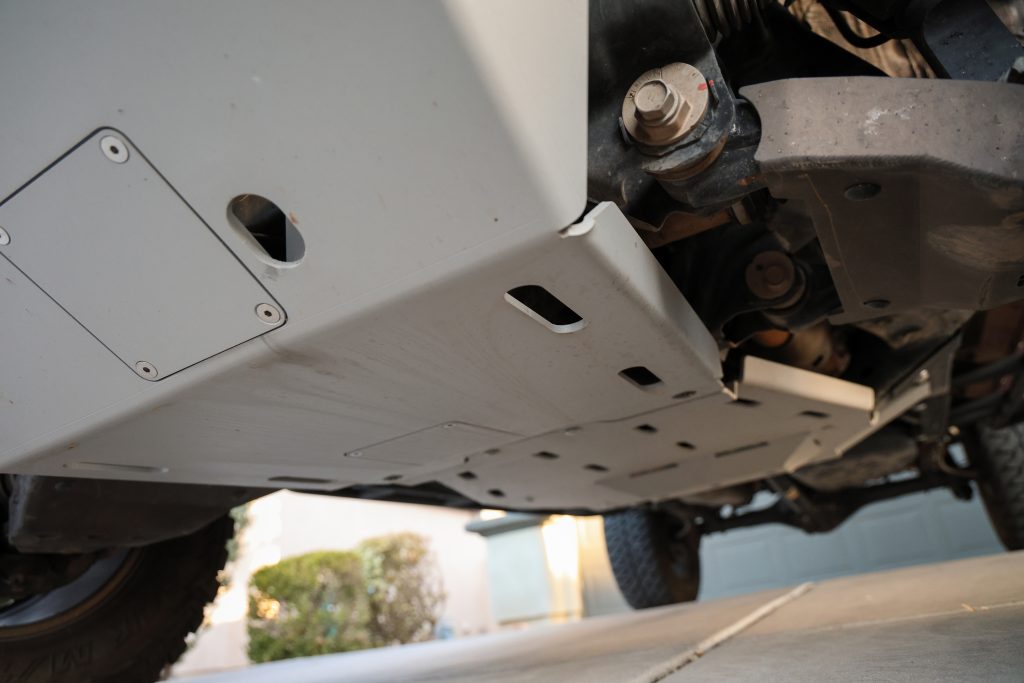
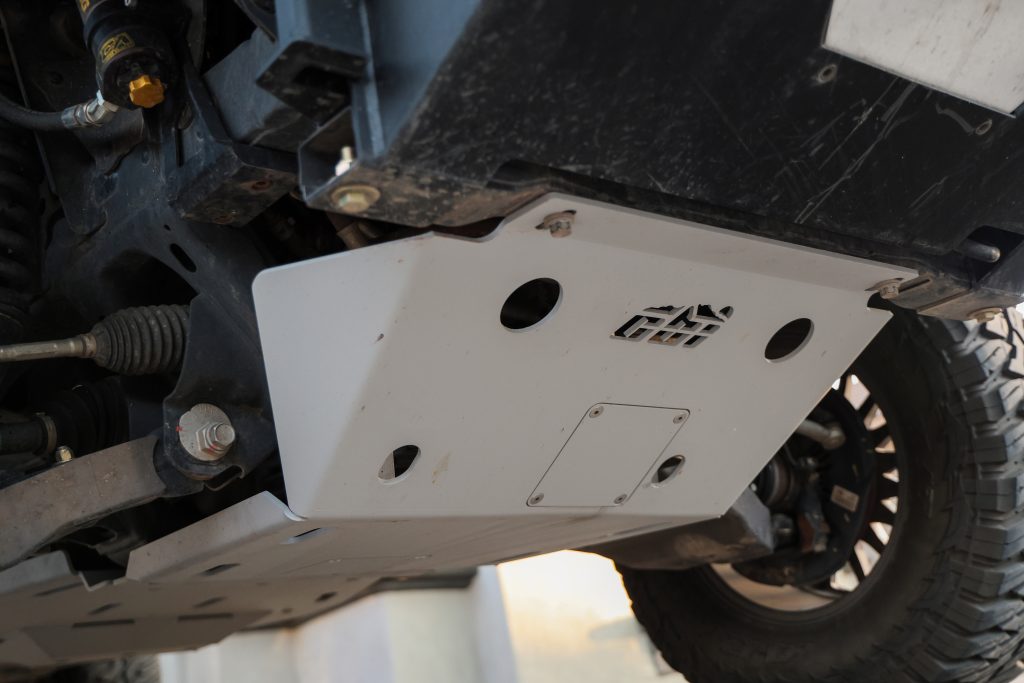
Once installed, I took some time to appreciate the craftsmanship. These aren’t just slabs of metal; they’re laser cut and finished with a durable powder coat that resists rust and abrasion. The set protects the front engine area (oil pan and front diff), the transmission, and the transfer case. While the fuel tank skid is a separate purchase, which I did not get (yet), the core system offers comprehensive coverage for the most damage-prone components under the truck.
CBI’s design also incorporates maintenance-friendly features, such as access holes for oil changes and drain plugs, which is a huge plus. Not having to remove or loosen plates every time I change the oil is a practical consideration that sets these apart from some other systems, including the factory skid plates. There’s no unnecessary bulk, and the approach/departure angles remain unaffected.
Fitment & Road Noise
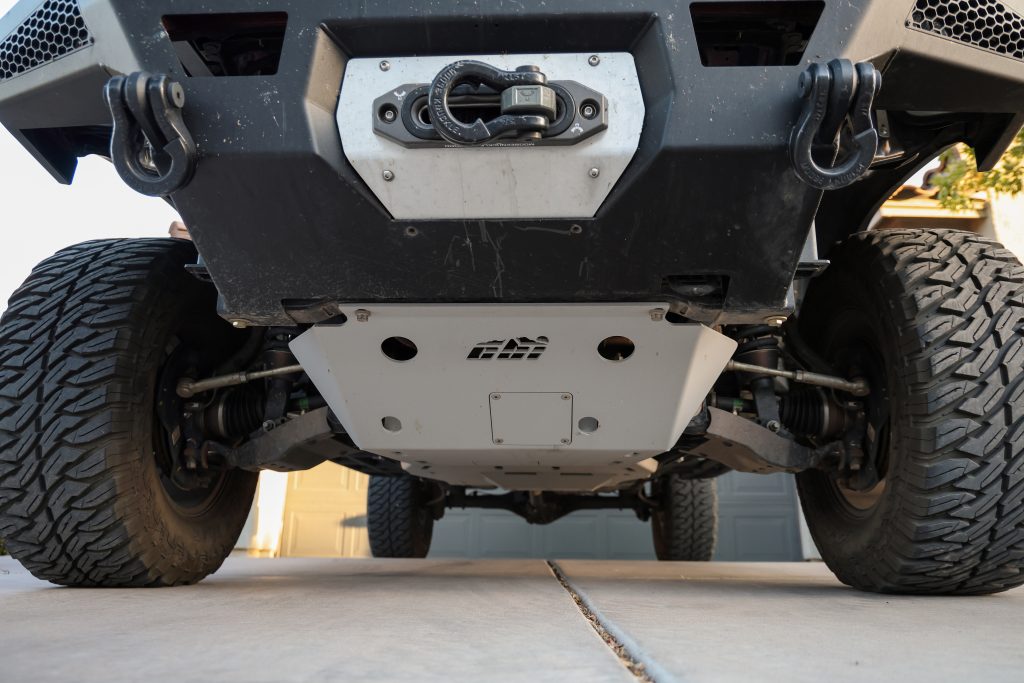
What stood out to me on my first road test with them was the silence. No rattling, no vibrations, no bolts backing out, just quiet, solid protection. The real testing came when I got to take them off the road and put them to use on some rocky trails. I will go over my off-road experience with them further down in the article.
I didn’t encounter any clearance issues, and the skid plates haven’t affected suspension articulation or maneuverability. They’ve done exactly what I wanted them to do: be there when needed, but not take away from my truck’s abilities.
Durability & Maintenance
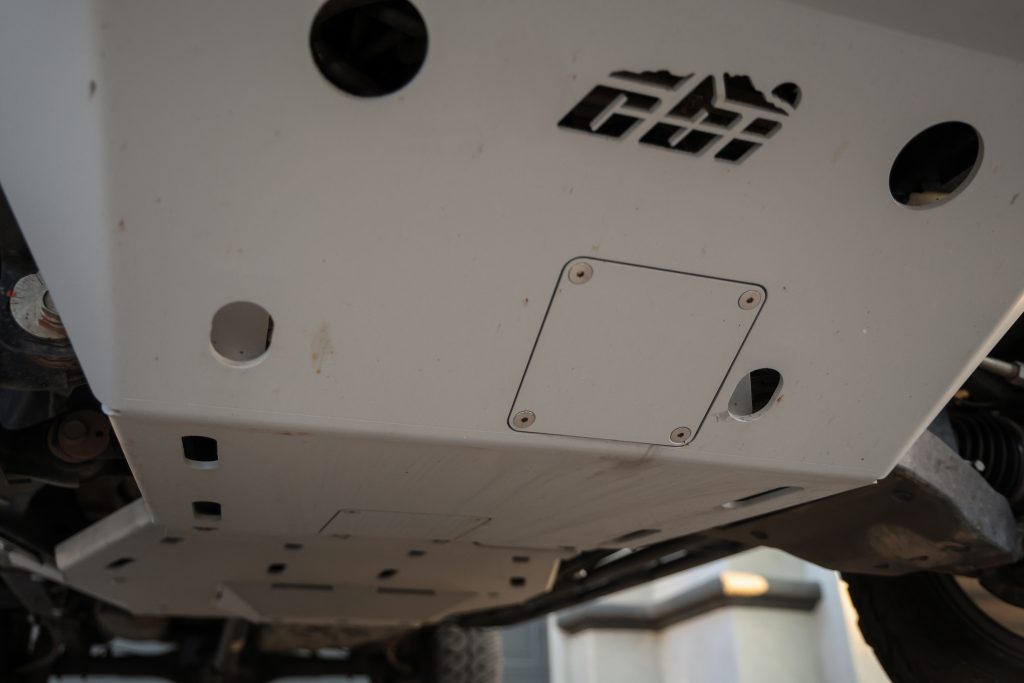
I’ve only had them on for a few months now, so I can’t speak to long-term durability, but so far the powder coating has held up well, and there’s no corrosion forming, which is a good sign. The nature of armor like this is that cosmetic wear is inevitable. Still, structural integrity is what really matters, and I don’t think these CBI skid plates will have any durability issues.
I’ve also been able to complete routine maintenance without needing to remove any of the plates. The oil drain access is well-placed, and there’s just enough room to fit a socket on critical fasteners during service. This attention to detail regarding maintenance shows CBI isn’t just building armor; they’re thinking about long-term ownership.
How Does Aluminum Hold Up Off-Road?
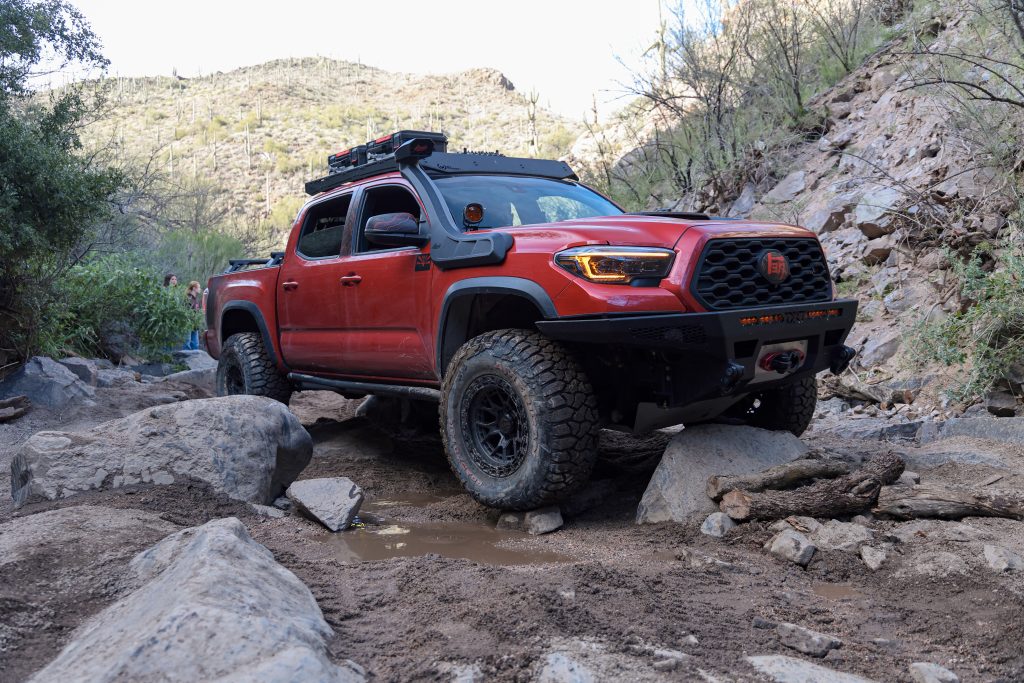
After running these on my Toyota Tacoma for a few months now, I can confidently say they’ve exceeded my expectations. Before switching, I had steel skid plates on the truck, and while they offered solid protection, the added weight was always a downside. I don’t wheel crazy hard in the rocks, so steel is a bit overkill for my use. When I decided to go with the aluminum CBI skids, weight reduction was a big factor, but I’ll admit I was skeptical. Aluminum is softer than steel, and I had real concerns about durability and long-term protection, especially for real off-road use.
After multiple off-road trail runs and rock-heavy terrain, the skid plates have proven themselves. They’ve taken some solid hits on rocks and obstacles, and I’ve been genuinely surprised by how well they’ve held up. There are visible scratches and scuffs, which are expected with any skid plate doing its job, but there are no major dents, warping, or structural damage.
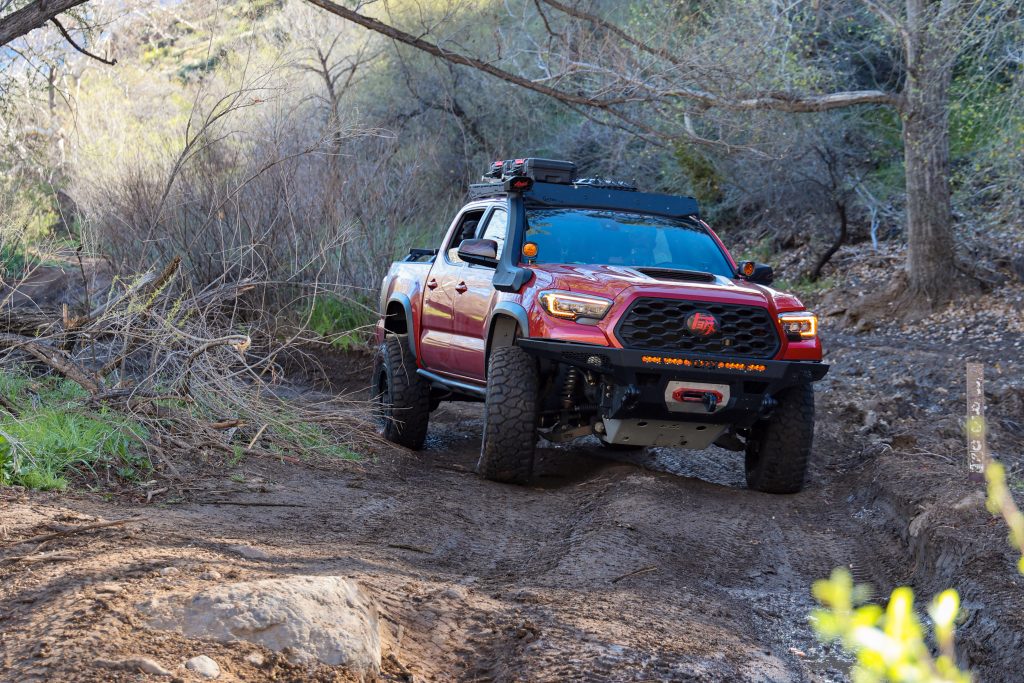
Overall, the aluminum skids have been the perfect balance between protection and performance. I’ve gained noticeable weight savings compared to steel, without sacrificing real-world durability. My experience so far has completely changed my perception of aluminum as a skid plate material, and I wouldn’t hesitate to choose it again for a future build.
Final Thoughts
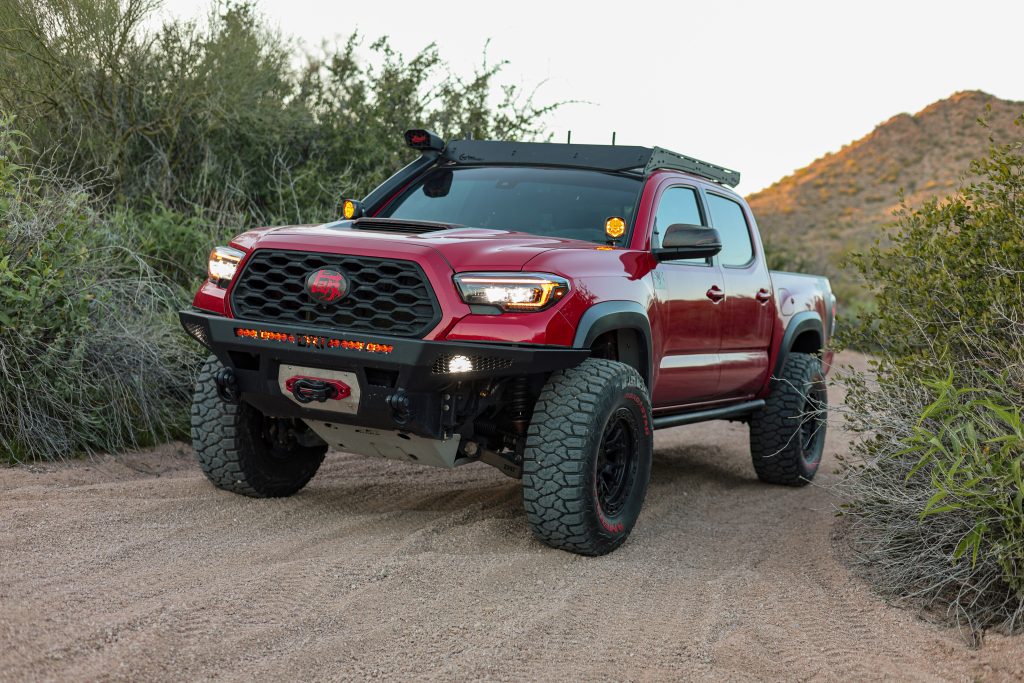
Skid plates might not be the flashiest upgrade for a Tacoma, but they’re among the most important if you plan to do any real off-roading. The CBI full skid plate system offers an ideal combination of durability, clean design, and trail-tested reliability. The steel option adds weight but very robust protection, while the aluminum option is designed for weight reduction and lighter use. However, with either choice, you will enjoy the confidence of improved protection off-road.
This isn’t a budget solution, and the install isn’t trivial, but if you want the kind of underbody protection that allows you to explore without hesitation, this setup delivers. I’ve already recommended it to a couple of fellow Tacoma owners, and I’d buy it again in a heartbeat. After all, a busted oil pan or cracked transfer case in the middle of nowhere isn’t just inconvenient, it’s the kind of problem that can end a trip or worse.
With CBI’s skid plates, I know my Tacoma is armored up and ready for whatever the trail throws at it.